
Location matters for appointments and follow-up, but the nearest neurosurgeon is not automatically the right match. First identify whether the concern involves the brain, spine, spinal cord, or peripheral nerves; then check that the specialist's practice matches the condition and that the consultation can review the original imaging and neurological symptoms.
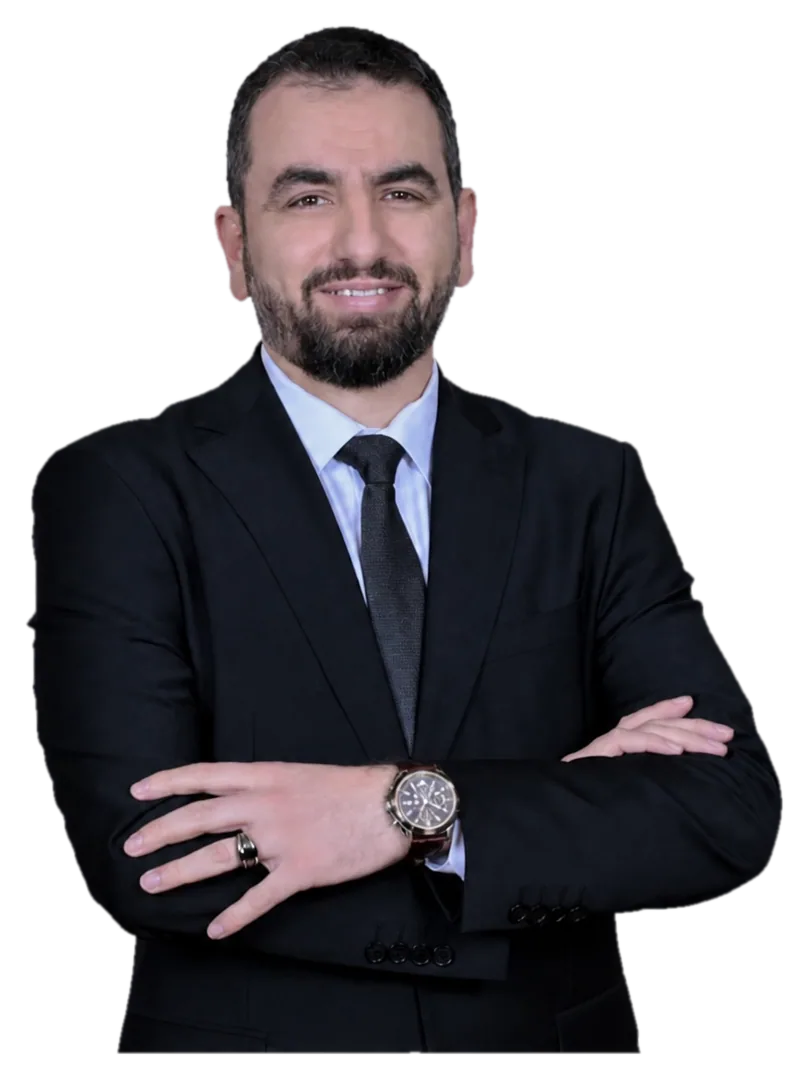
Dr Hani Abdelrahim Abdelrazek
Consultant spine surgeon and neurosurgeon in Dubai. The assessment connects symptoms, examination, and imaging before individual treatment options are discussed.
First decide whether the situation is routine or urgent
Routine clinic booking is appropriate for many persistent symptoms and second opinions. Sudden severe headache, a first seizure, new weakness, confusion, loss of consciousness, rapidly worsening walking, or bladder and bowel changes should be assessed urgently rather than waiting for a routine clinic slot.
Choose by clinical match as well as distance
A convenient location can make follow-up easier, especially after surgery, but clinical fit comes first. Ask whether the doctor routinely assesses the suspected condition and at which hospitals investigations or procedures are performed if needed.
Bring information that changes the decision
A prepared appointment is more useful than repeating scans unnecessarily.
- Original MRI or CT images and the reports
- A list of medications, allergies, and major medical conditions
- Previous operation notes or physiotherapy and injection records
- A short timeline of pain, numbness, weakness, seizures, or other symptoms
- Questions about urgency, alternatives, recovery, and follow-up
What a useful first consultation should clarify
By the end of the visit, you should understand the working diagnosis, which findings are clinically important, whether further tests are needed, and what the reasonable next options are. When surgery is not indicated, the plan should still explain monitoring and what symptoms require reassessment.
Booking by WhatsApp: protect context and privacy
Use WhatsApp to arrange an appointment and ask what records to bring. Avoid relying on a brief message or a single image for diagnosis. Do not use messaging for emergencies, and share only the information needed for scheduling until the clinic explains its medical-record process.
Frequently asked questions
Can a neurosurgeon assess both brain and spine conditions?
Yes, although individual specialists may have particular areas of focus within neurosurgery.
Can I book directly for a second opinion?
In many situations, yes. Bring the original imaging and the proposed treatment plan so it can be reviewed in context.
Can a diagnosis be made from WhatsApp alone?
Messaging can support scheduling, but an individual diagnosis usually requires history, examination, and appropriate review of imaging or tests.
- American Association of Neurological Surgeons — Conditions and Treatments
- Dubai Health Authority — Neurology Medical and Surgical Services
Sources support the general medical information on this page. They do not replace an individual assessment.
This page provides general educational information and does not replace an examination, diagnosis, or individual treatment plan. Seek urgent care for sudden or worsening neurological symptoms.