
Both neurosurgeons and orthopaedic spine surgeons may treat spinal conditions. The better choice depends on the doctor's spine-specific training and current practice, the diagnosis, whether nerves or the spinal cord are involved, and whether the case requires non-surgical care, decompression, reconstruction, or a second opinion.
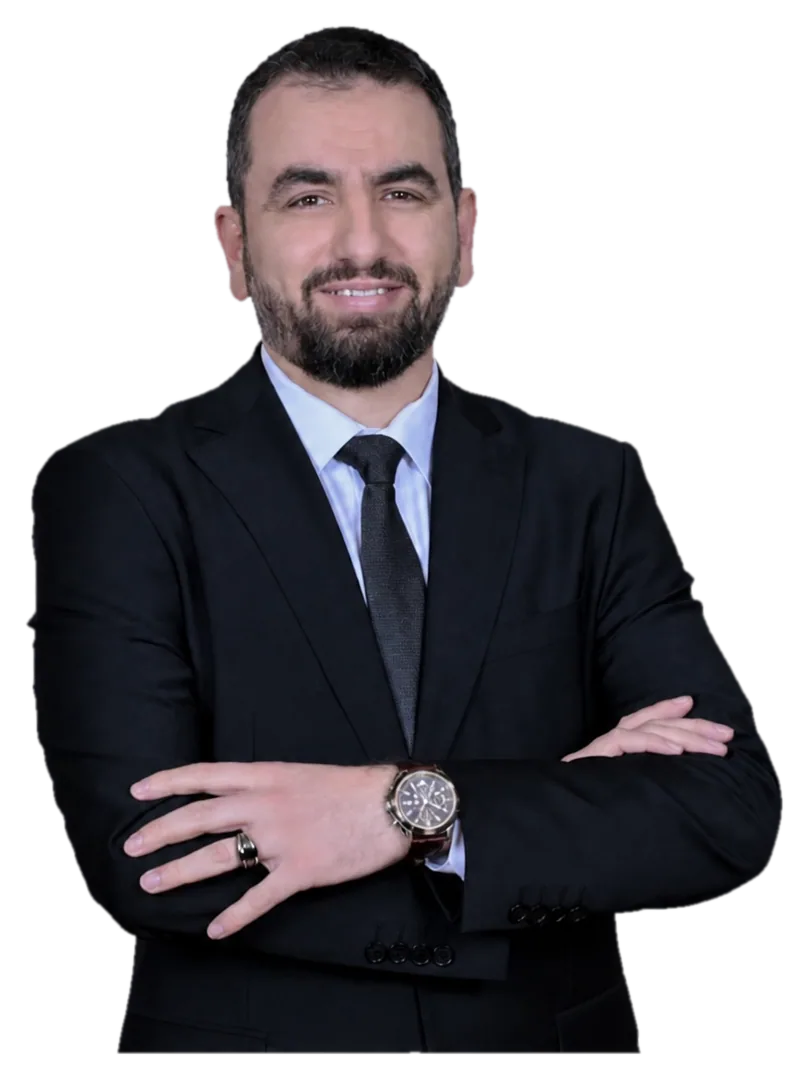
Dr Hani Abdelrahim Abdelrazek
Consultant spine surgeon and neurosurgeon in Dubai. The assessment connects symptoms, examination, and imaging before individual treatment options are discussed.
Why the titles overlap
Neurosurgeons are trained to assess and treat the brain, spinal cord, spine, and nerves. Orthopaedic spine surgeons focus on the spine within musculoskeletal surgery. In modern spine care, both may treat disc herniation, spinal stenosis, instability, and other conditions after relevant specialist training.
When neurological symptoms change the priority
Pain alone is not the only factor. Weakness, altered reflexes, numbness in a clear nerve distribution, reduced hand dexterity, balance change, or bladder and bowel symptoms make a neurological examination particularly important.
- Arm or leg weakness
- Foot drop or loss of hand dexterity
- Difficulty walking or poor balance
- Pain with numbness along a nerve path
- Bladder or bowel changes requiring urgent assessment
A scan should answer a clinical question
Disc bulges and age-related changes are common on MRI, including in people without symptoms. A useful consultation identifies which finding—if any—explains the patient's pain, numbness, weakness, or walking difficulty. Treatment should target the clinical problem, not simply the most noticeable phrase in a report.
Seeing a surgeon does not commit you to surgery
Many spine problems improve with guided activity, medication when appropriate, physiotherapy, or selected injections. Surgery is considered when there is a clear anatomical target and the expected benefit outweighs the risks, particularly with progressive weakness, spinal cord compression, or persistent disabling symptoms.
How to prepare for a spine opinion in Dubai
Bring the original MRI files, not only screenshots; note how far you can walk, which activities trigger symptoms, and whether weakness is stable or progressing. A concise timeline helps the specialist distinguish an acute disc problem from a longer-term mechanical or degenerative condition.
Frequently asked questions
Can a neurosurgeon treat a herniated disc?
Yes. Spine and nerve-compression conditions are a major part of neurosurgical practice for appropriately trained neurosurgeons.
Is a spine surgeon only for operations?
No. A spine surgeon also assesses whether surgery is unnecessary and can recommend an appropriate non-surgical pathway.
Which symptoms need urgent care?
Increasing weakness, loss of bladder or bowel control, saddle-area numbness, major trauma, or rapidly worsening neurological symptoms require urgent assessment.
Sources support the general medical information on this page. They do not replace an individual assessment.
This page provides general educational information and does not replace an examination, diagnosis, or individual treatment plan. Seek urgent care for sudden or worsening neurological symptoms.